
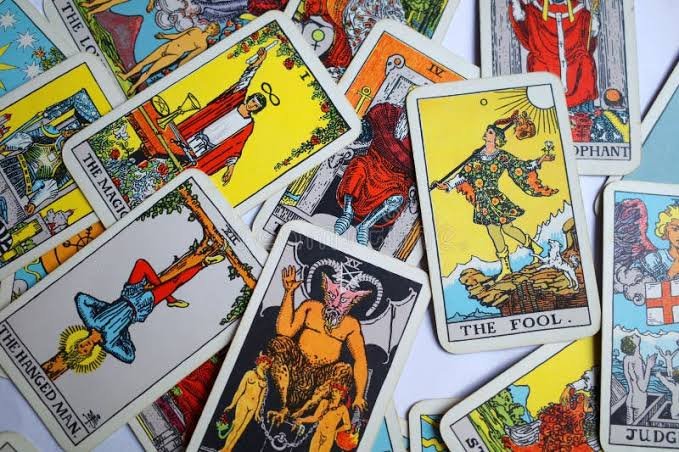
Tarot reading is an ancient art of symbolism, intuition, and storytelling. For centuries, individuals have turned to the cards for self-reflection, spiritual insight, and practical advice. Stepping into the world of tarot can feel overwhelming at first, given the vast depth of symbols and interpretations associated with each of the 78 cards in a standard deck. However, understanding the core structure—specifically the distinction between the Major Arcana and the Minor Arcana—makes the journey intuitive and fulfilling.
This comprehensive tarot card meanings guide is designed to demystify the deck, giving you a clear foundation to read and interpret the cards with confidence.
Understanding the Structure of the Tarot Deck
A standard tarot deck consists of 78 cards divided into two primary sections: the Major Arcana (22 cards) and the Minor Arcana (56 cards). While both sections work together to deliver detailed readings, they represent different levels of human experience.
The Major Arcana
The Major Arcana represents significant life events, major transitions, spiritual lessons, and overarching karmic patterns. When these cards appear in a spread, they highlight crucial themes that carry deep, long-term impact on your journey.
The Minor Arcana
The Minor Arcana deals with day-to-day interactions, temporary situations, emotions, thoughts, and material affairs. These cards provide context, detail, and nuance to the overarching lessons indicated by the Major Arcana.
The Major Arcana: The Fool’s Journey
The 22 cards of the Major Arcana tell a sequential story known as “The Fool’s Journey.” This narrative represents the psychological and spiritual development of a person from innocence to enlightenment. Here is a breakdown of the key cards in the Major Arcana:
The Beginning Steps (Cards 0–7)
- 0. The Fool: Symbolizes new beginnings, innocence, spontaneity, and taking a leap of faith.
- 1. The Magician: Represents manifestation, resourcefulness, willpower, and action.
- 2. The High Priestess: Focuses on intuition, sacred knowledge, mystery, and the subconscious mind.
- 3. The Empress: Denotes fertility, abundance, creativity, nature, and nurturing energy.
- 4. The Emperor: Represents structure, authority, stability, and leadership.
- 5. The Hierophant: Focuses on tradition, spiritual beliefs, institution, and guidance.
- 6. The Lovers: Represents relationships, harmony, values alignment, and choices.
- 7. The Chariot: Symbolizes determination, control, willpower, and overcoming obstacles.
Inner Reflection and Transformation (Cards 8–15)
- 8. Strength: Demonstrates inner courage, patience, compassion, and soft power.
- 9. The Hermit: Focuses on soul-searching, introspection, solitude, and inner guidance.
- 10. Wheel of Fortune: Symbolizes cycles, luck, destiny, karma, and turning points.
- 11. Justice: Represents fairness, truth, cause and effect, and law.
- 12. The Hanged Man: Focuses on surrender, letting go, gaining a new perspective, and pause.
- 13. Death: Represents transformation, endings, new beginnings, and transition.
- 14. Temperance: Denotes balance, moderation, patience, and finding harmony.
- 15. The Devil: Points to attachment, addiction, shadow self, and feeling trapped.
Enlightenment and Fulfillment (Cards 16–21)
- 16. The Tower: Represents sudden upheaval, structural breakdown, and revelations.
- 17. The Star: Focuses on hope, faith, renewal, inspiration, and serenity.
- 18. The Moon: Symbolizes illusion, fear, anxiety, subconscious imagery, and intuition.
- 19. The Sun: Represents joy, success, enthusiasm, warmth, and clarity.
- 20. Judgement: Denotes self-evaluation, awakening, calling, and rebirth.
- 21. The World: Symbolizes completion, integration, accomplishment, and travel.
The Minor Arcana: Four Suits of Daily Life
The 56 cards of the Minor Arcana are split into four distinct suits, each consisting of 10 numbered cards (Ace through 10) and 4 Court cards (Page, Knight, Queen, King). Each suit corresponds to a specific element and area of life, serving as an essential part of any tarot card meanings guide.
The Suit of Cups (Element: Water)
The Suit of Cups governs emotions, feelings, intuition, relationships, and artistic expression.
- Aces & Low Numbers (1–5): Cover emotional beginnings, love, celebration, heartbreak, and regret.
- High Numbers (6–10): Focus on nostalgia, choices, wish fulfillment, and family happiness.
- Court Cards: Feature intuitive, compassionate, and emotionally mature personalities.
The Suit of Pentacles (Element: Earth)
The Suit of Pentacles relates to the physical world, work, finances, physical health, and long-term security.
- Aces & Low Numbers (1–5): Highlight new financial opportunities, work ethic, investments, and material loss.
- High Numbers (6–10): Focus on generosity, skill mastery, wealth creation, and legacy.
- Court Cards: Represent grounded, practical, dependable, and ambitious individuals.
The Suit of Swords (Element: Air)
The Suit of Swords rules intellect, thoughts, communication, conflict, and truth.
- Aces & Low Numbers (1–5): Deal with mental clarity, difficult decisions, heartbreak, anxiety, and conflict.
- High Numbers (6–10): Focus on recovery, strategy, feeling trapped, and moving past painful endings.
- Court Cards: Depict sharp, analytical, honest, and direct personalities.
The Suit of Wands (Element: Fire)
The Suit of Wands embodies passion, inspiration, energy, enterprise, and action.
- Aces & Low Numbers (1–5): Represent creative sparks, planning, expansion, celebration, and competition.
- High Numbers (6–10): Highlight perseverance, swift action, resilience, and burdens.
- Court Cards: Showcase energetic, adventurous, visionary, and charismatic traits.
How to Read and Interpret Tarot Cards
Understanding the definitions of individual cards is only the first phase. The true power of reading tarot comes from synthesis and intuition.
Trust Your Intuition
While a tarot card meanings guide offers foundational knowledge, pay attention to the imagery, colors, and feelings a card evokes during a session. Your personal intuition often unlocks contextual details that standard definitions cannot capture.
Pay Attention to Card Combinations
Cards rarely exist in isolation during a reading. Look at how Major Arcana cards interact with Minor Arcana suits. A dominance of Swords may suggest mental stress surrounding a major transformation indicated by a card like Death or The Tower.
Consider Reversals
When a card appears upside down, it often points to internalized energy, blocked power, or a delay in the manifestation of that card’s primary theme.
Conclusion
Mastering tarot is an ongoing journey of practice, self-discovery, and study. By keeping this tarot card meanings guide nearby, you will gradually build a strong relationship with the 78 cards, learning to bridge the gap between analytical symbolism and intuitive wisdom. Over time, interpreting the Major and Minor Arcana will become second nature, allowing you to access deeper guidance for yourself and others.