
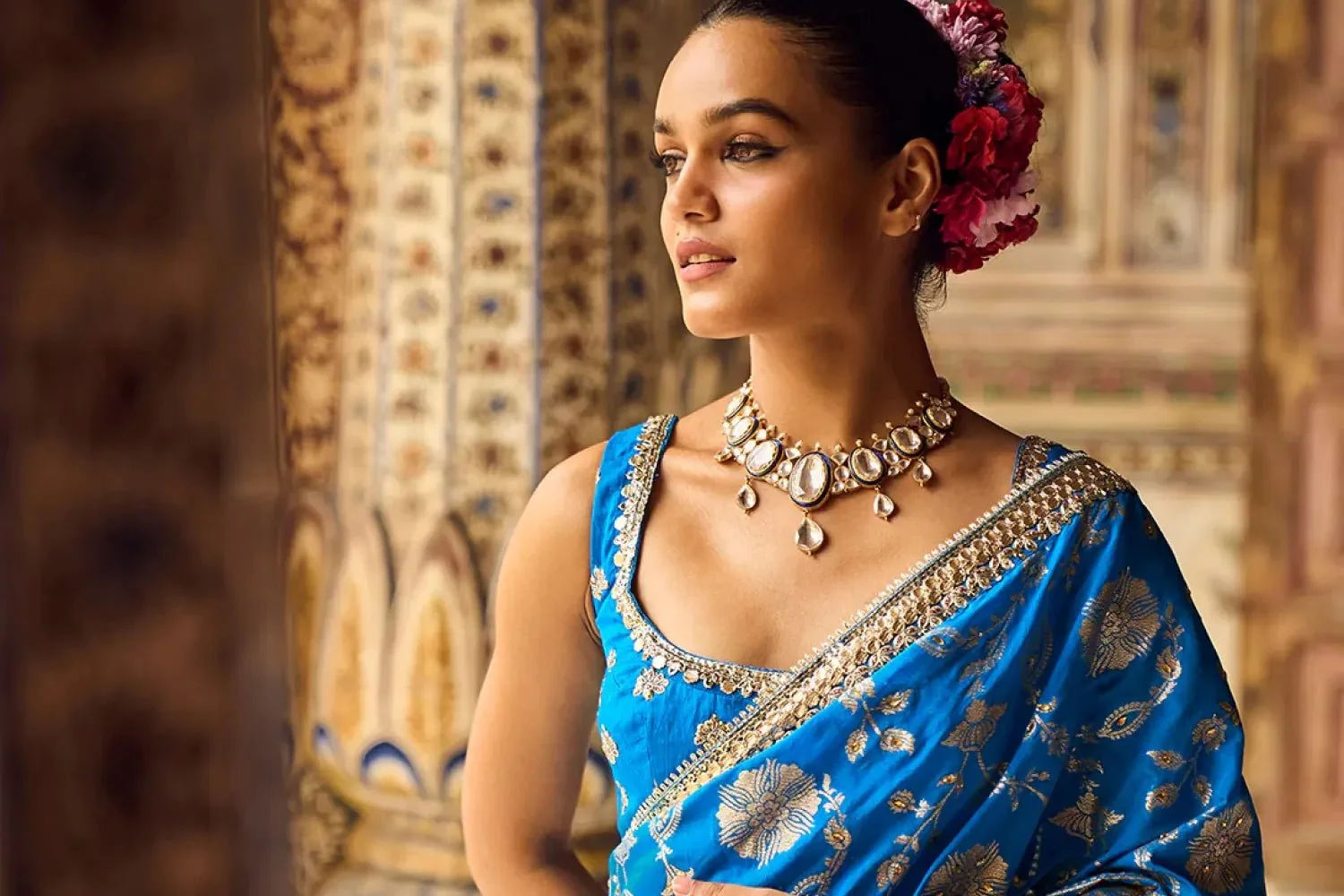
Indian ethnic wear is known for its timeless beauty, intricate craftsmanship, and rich fabrics. However, wearing the exact same ensemble to multiple functions can sometimes feel repetitive. Instead of letting your treasured lehengas, sarees, suits, and dupattas sit untouched in your wardrobe, you can easily breathe new life into them through smart styling and creative pairing. Reimagining your festive collection allows you to make the most of every garment while expressing your unique personal style. Here is a comprehensive guide on how to reinvent your older wardrobe essentials and create striking modern outfits without buying anything new.
The Art of Deconstructing Traditional Ensembles
The key to mixing and matching older garments lies in breaking complete sets down into individual building blocks. When you stop viewing a suit set or lehenga as a single rigid outfit, a realm of possibilities opens up.
Breaking Down Heavy Lehengas
Heavy lehengas are often worn once or twice for close family weddings and then stored away due to their grand appearance. You can separate the heavy skirt from its matching blouse and dupatta to create lighter, more versatile looks. Pair an embellished silk or velvet lehenga skirt with a crisp, tailored white button-down shirt. Tucking the shirt into the high-waisted skirt creates an effortless fusion ensemble that balances opulent traditional craft with contemporary modern tailoring. Alternatively, pair the statement skirt with a plain neutral crop top or a simple fitted turtleneck during colder months for an understated yet chic aesthetic.
Repurposing Statement Blouses
The blouses from older heavy outfits are often rich in embroidery, zari work, or stone detailing. These embellished crop tops can easily serve as standalone statement pieces. Instead of pairing them with their original skirts, try styling a heavily embroidered blouse with a plain, flowing chiffon or georgette saree in a solid, contrasting shade. You can also pair these elaborate blouses with high-waisted palazzo pants, wide-legged trousers, or raw silk culottes to create a stylish indo-western co-ord set suitable for cocktail parties or mehendi events.
Creative Pairings with Sarees and Dupattas
Sarees and dupattas are among the most versatile components of traditional attire. Because they are unstitched lengths of fabric, their draping options and combinations are practically limitless.
Mixing Saree Blouses and Drapes
One of the simplest ways to refresh your saree collection is to swap the original blouse for an unexpected top. Pair a classic handloom silk saree with an edgy leather jacket, a denim crop top, or a longline formal blazer instead of a traditional petticoat blouse. Changing the draping technique can also radically transform the vibe of the outfit. Experiment with a pant-saree drape, where the saree is draped over tailored trousers or leggings, or try a dhoti-style drape for a dynamic, modern silhouette.
Elevating Basics with Statement Dupattas
A rich Banarasi, Phulkari, Bandhani, or Chanderi dupatta can instantly elevate the simplest base outfit. Take a completely plain, solid-colored cotton or silk kurta set—whether in ivory, black, navy, or beige—and drape a vibrant, heavily detailed heritage dupatta over it. The contrast between the minimalist base and the elaborate drape draws immediate visual interest, making a simple daily suit feel festive and grand. You can also belt the dupatta around your waist over a tunic to give it a structured, modern shape.
Layering and Silhouette Experimentation
Layering is a powerful technique to transform older outfits into contemporary fashion statements. By adding light outerwear or switching up classic silhouettes, you can craft layered ensembles that look entirely fresh.
Adding Shrugs, Jackets, and Overcoats
Ethnic jackets, floor-length sheer shrugs, and embroidered waistcoats are incredible layering tools. If you have an older sleeveless Anarkali or a plain straight-fit kurti, layer an embroidered floor-length jacket over it to create a regal, paneled gown effect. A cropped velvet or brocade jacket worn over a simple kurta instantly adds structure, warmth, and luxury. For a modern fusion look, layer a tailored long trench coat or a sharp blazer over a silk saree or long tunic during winter festivities.
Combining Different Anarkalis and Bottoms
Anarkali kurtas offer wonderful volume and movement. You can reinvent an old Anarkali by experimenting with what you wear underneath. Swap out the traditional churidar for a pair of flared sharara pants or a tiered ghagra skirt underneath the Anarkali to create a dramatic, multi-layered silhouette. If the Anarkali has a front slit or button-down front, leave it partially open to reveal contrasting pants or a bright skirt as you walk.
Mastering Color Blocking and Texture Contrast
When combining pieces from different sets, focusing on color harmony and texture play ensures that the final look appears deliberate and high-fashion rather than haphazard.
Playing with Color Contrasts
Instead of sticking strictly to monochromatic or tone-on-tone matching, embrace bold color blocking. Combine Jewel tones that naturally complement each other, such as deep emerald green with ruby red, royal blue with bright mustard yellow, or rich plum with antique gold. When mixing older pieces, ensure at least one tone carries through the outfit, or use neutral shades like cream, beige, and champagne as unifying bases to anchor vibrant hues.
Combining Rich and Subtle Textures
Mixing contrasting fabrics adds depth and sophisticated visual texture to an ensemble. Pair a heavy brocade or raw silk bottom with a lightweight organza, chiffon, or net dupatta. Contrast a matte cotton or linen tunic with a shiny satin or silk churidar. Combining a structured, heavy material with a soft, fluid fabric prevents the outfit from looking overly bulky while maintaining a refined balance.
Transforming the Look with Modern Accessories
Accessories play a defining role in setting the tone of an outfit. The right jewelry, footwear, and belts can take an older garment from traditional and conservative to contemporary and bold.
Restyling with Belts and Structure
Belting your drape is one of the quickest ways to update traditional attire. Use a sleek leather belt, a metallic chain belt, or an embroidered fabric waist belt (kamarbandh) over a saree, an overlay jacket, or a flared Anarkali. This cinches the waist, enhances your natural silhouette, and gives a sleek, structured appeal to flowing fabrics.
Modern Footwear and Contemporary Jewelry
Instead of defaulting to traditional juttis or embellished heels, pair your mixed ensembles with modern footwear options. Sleek metallic strappy sandals, pointed-toe pumps, or even pristine white sneakers paired with a lehenga skirt and shirt can instantly create a trendy street-style statement. Similarly, switch out heavy traditional gold jewelry for minimalist geometric brass earrings, stacked silver bangles, or a single bold choker to give your ensemble an effortless, updated feel.
Conclusion
Restyling your collection allows you to express your personal creativity while promoting sustainable fashion choices. By deconstructing complete sets, experimenting with unexpected draping techniques, playing with contrasting textures and colors, and incorporating modern accessories, you can unlock endless new possibilities within your existing closet. Every piece of traditional attire holds immense craft and beauty—with a little imagination, your older garments can always step back into the spotlight looking completely brand new.