
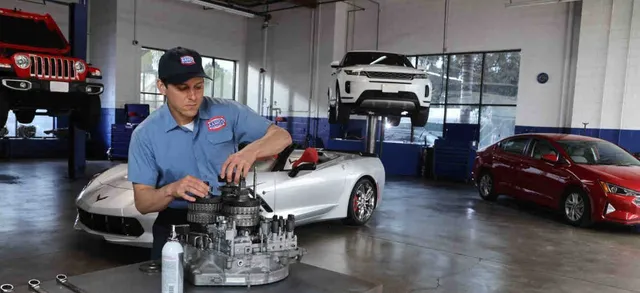
Dealing with transmission trouble is one of the most stressful experiences a vehicle owner can face. The transmission is one of the most complex, vital, and expensive components of your car or truck. When gears begin to slip, shifting becomes rough, or fluid starts leaking onto your driveway, finding immediate and reliable help becomes your top priority. Phoenix, Arizona, is a vast metropolis with hundreds of auto repair facilities, making it challenging to determine which team of mechanics truly deserves your trust.
Finding the top specialist isn’t just about picking the first option that pops up on a map search. It requires looking at technical expertise, customer service standards, warranty coverage, and financial accessibility. This comprehensive guide will walk you through everything you need to know to select the ideal transmission experts in the Valley of the Sun.
The Unique Challenges of Phoenix Driving on Transmissions
Driving in the Phoenix metropolitan area places extraordinary demands on vehicle powertrains. The desert heat is notoriously tough on car batteries and tires, but it is equally brutal on transmission systems. Heat is the ultimate enemy of automatic fluid and internal components. During the blistering summer months, ambient temperatures regularly exceed 110 degrees Fahrenheit, causing transmission fluid to break down much faster than normal.
When fluid degrades, it loses its lubricating properties, leading to overheating, slipping bands, and premature wear on clutch plates. Additionally, Phoenix drivers frequently navigate heavy stop-and-go traffic on highways like I-10, US-60, and the Loop 101, alongside long highway commutes across the sprawling valley. This combination of intense environmental heat and constant gear cycling means Phoenix drivers need transmission specialists who understand these specific desert driving conditions and know how to install proper cooling solutions and heavy-duty fluids.
Key Factors to Look for in a Phoenix Transmission Specialist
When your vehicle shows signs of severe powertrain distress, you need a facility that offers specialized knowledge rather than a general repair shop that occasionally handles gearboxes.
ASE-Certified Technicians and Specialization
Transmissions have evolved dramatically over the last decade. Today’s vehicles feature complex electronic controls, continuous variable transmissions (CVTs), dual-clutch setups, and 8- to 10-speed automatic systems. A qualified shop must employ technicians certified by the National Institute for Automotive Service Excellence (ASE), specifically holding certifications in automatic transmission/transaxle and manual drive train and axles. Specialization ensures the mechanics have up-to-date diagnostic tools and ongoing training to handle modern electronic sensors and complex hydraulic control modules.
Transparent Diagnostics and Initial Inspection
A reputable repair facility will never quote you a full rebuild price over the phone without seeing the vehicle first. Beware of shops that jump straight to recommending an expensive replacement before performing proper diagnostic testing. Often, an issue that feels like a catastrophic failure could simply be a faulty shift solenoid, a loose wiring harness, or low fluid levels. The best facilities perform a systematic diagnostic evaluation, including computer scans, road testing, and fluid checks, explaining their findings in plain English before doing any major teardown.
Comprehensive Warranties
Major drivetrain repairs are a significant investment, and peace of mind is non-negotiable. Look for shops that stand behind their labor and parts with robust warranty options. A nationwide warranty lasting at least 2 to 3 years (or 24,000 to 36,000 miles) is a hallmark of a shop that uses high-quality replacement parts and precise re-assembly practices.
Stress-Free Solutions: Financial Options and Emergency Support
A sudden vehicle breakdown rarely happens at a convenient time. When faced with major unexpected repair costs, the logistics of getting your vehicle safely to a shop and figuring out how to cover the bill can feel overwhelming.
Smart drivers actively search for a transmission shop near me that offers financing and free towing to alleviate immediate financial pressure and logistical headaches.
Having access to free towing removes the immediate worry of paying high out-of-pocket costs just to get your stranded car off the highway or out of your driveway. Once your vehicle arrives safely at the facility, flexible financing plans allow you to divide the total cost of a repair or rebuild into manageable monthly payments. This combination of emergency transport and payment flexibility ensures you don’t have to compromise on the quality of repair work or delay essential service due to temporary budget constraints.
Questions to Ask Before Choosing a Repair Shop
Before signing a work order, take a few minutes to interview the service advisor or shop manager. Asking direct questions will help you gauge their transparency, professionalism, and customer commitment.
What is the Breakdown of the Estimate?
Ask for a detailed itemized estimate that separates labor, hard parts, soft rebuild kits, fluid, and shop supplies. Clarify whether the quote includes new, remanufactured, or used components, as well as updated factory parts designed to fix original equipment manufacturer (OEM) design defects.
How Long Will the Repair Take?
Transmission work takes time and precision. While simple fluid flushes or external sensor replacements can be completed in a single day, a complete overhaul or custom bench rebuild may take several business days. Clear timelines help you plan alternative transportation, such as rental cars or rideshares, while your vehicle is in the bay.
Do You Rebuild in-House or Install Remanufactured Units?
Both methods have distinct advantages. In-house rebuilds allow local master technicians to replace only broken components and custom-tune the unit for your driving habits. Remanufactured units, on the other hand, are built in centralized factory environments and can sometimes offer faster turnaround times and longer nationwide warranties. Understanding which approach the shop uses helps you make an informed decision based on your schedule and budget.
Protecting Your Investment with Preventative Care
Once you have identified the right Phoenix experts and completed your repairs, keeping your vehicle running smoothly comes down to proactive maintenance. Regularly inspecting fluid levels and color, installing auxiliary fluid coolers if you tow heavy loads, and avoiding aggressive driving habits like shifting from reverse to drive while moving will drastically extend the lifespan of your vehicle’s drivetrain.
Choosing the right transmission shop in Phoenix ultimately boils down to finding a facility that combines technical skill, honest communication, solid warranty coverage, and customer-focused perks like financing and towing assistance. Taking the time to evaluate your options thoroughly ensures your vehicle gets back on the road operating safely and smoothly for many miles to come.