
Water damage is one of the most common and costly problems faced by homeowners and businesses alike. Whether it occurs suddenly due to a burst pipe or gradually through unnoticed leaks, water damage can weaken s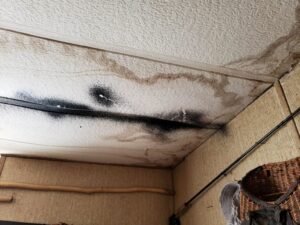 tructures, ruin belongings, and create long-term health risks. Understanding what causes water damage and how to effectively address it is essential for minimizing its impact and preventing future issues.
What is Water Damage?
Water damage refers to the destruction or deterioration of materials and property caused by the intrusion of water into areas where it can cause harm. This can affect walls, floors, ceilings, furniture, and even the foundation of a building. The severity of water damage depends on factors such as the amount of water, duration of exposure, and the materials involved.
There are different categories of water damage, ranging from clean water (such as from broken supply lines) to highly contaminated water (such as sewage backups). Each type requires a different level of response and care.
Common Causes of Water Damage
Plumbing Failures
One of the leading causes of water damage is plumbing issues. Burst pipes, leaking faucets, and faulty pipe connections can release large amounts of water into a property. In colder climates, frozen pipes are a major concern, as they can expand and burst when temperatures drop.
Even small leaks can lead to significant water damage over time if left unnoticed. Dripping pipes behind walls or under floors may not be immediately visible but can cause mold growth and structural weakening.
Appliance Malfunctions
Household appliances like washing machines, dishwashers, water heaters, and refrigerators can also contribute to water damage. A worn-out hose, loose connection, or internal malfunction can cause water to leak or overflow.
Regular maintenance of appliances is crucial, as many cases of water damage occur due to neglected wear and tear. For example, a cracked washing machine hose can release gallons of water in minutes.
Roof Leaks
A damaged or aging roof is another common source of water damage. Missing shingles, clogged gutters, or poor drainage can allow rainwater to seep into the building. Over time, this can lead to stained ceilings, rotting wood, and compromised insulation.
Roof leaks are especially dangerous because they often go unnoticed until significant damage has already occurred. Regular inspections can help identify potential issues before they escalate.
Natural Disasters
Flooding caused by heavy rain, storms, or overflowing rivers can result in severe water damage. Unlike localized issues, natural disasters often affect entire communities and require extensive cleanup and restoration efforts.
Flash floods, hurricanes, and monsoon rains can quickly overwhelm drainage systems, allowing water to enter homes and buildings. In such cases, water damage is often accompanied by contamination, making cleanup more complex.
Poor Drainage Systems
Improper drainage around a property can lead to water accumulation near the foundation. Over time, this can cause cracks, leaks, and basement flooding. Blocked gutters and downspouts can also contribute to water damage by directing water toward the structure instead of away from it.
Ensuring proper grading and maintaining drainage systems can significantly reduce the risk of water damage.
Effects of Water Damage
Structural Damage
Water can weaken building materials such as wood, drywall, and concrete. Prolonged exposure can cause warping, swelling, and decay, compromising the structural integrity of a property.
In severe cases, water damage can lead to partial or complete collapse of walls and ceilings, posing serious safety risks.
Mold Growth
One of the most dangerous consequences of water damage is mold growth. Mold thrives in damp environments and can begin to develop within 24 to 48 hours of water exposure.
Mold not only damages property but also poses health risks, including respiratory issues, allergies, and skin irritation. Addressing water damage promptly is essential to prevent mold infestations.
Damage to Personal Belongings
Furniture, electronics, clothing, and important documents can all be affected by water damage. Some items may be salvageable with proper drying and cleaning, while others may need to be replaced entirely.
Sentimental items, such as photographs and heirlooms, are often irreplaceable, making water damage particularly distressing.
Electrical Hazards
Water and electricity are a dangerous combination. Water damage can affect electrical systems, leading to short circuits, power outages, and even fire hazards.
It is important to turn off electricity in affected areas and consult professionals before attempting any repairs.
Preventing Water Damage
Regular Inspections
Routine inspections of plumbing, roofing, and appliances can help identify potential problems early. Checking for leaks, cracks, and signs of wear can prevent minor issues from becoming major sources of water damage.
Homeowners should also inspect basements and attics, as these areas are more prone to hidden leaks.
Proper Maintenance
Maintaining gutters, downspouts, and drainage systems is essential for preventing water buildup. Cleaning gutters regularly ensures that rainwater flows away from the property instead of pooling around it.
Appliances should be serviced periodically, and old or damaged components should be replaced promptly to avoid unexpected failures.
Installing Protective Systems
Installing sump pumps, water alarms, and leak detection systems can provide an added layer of protection against water damage. These systems can alert homeowners to potential issues and help remove excess water before it causes significant harm.
Waterproofing basements and sealing cracks in walls and foundations can also reduce the risk of water intrusion.
Solutions for Water Damage
Immediate Response
When water damage occurs, quick action is crucial. The first step is to stop the source of water, whether it is shutting off the main water supply or fixing a leak. Removing standing water as soon as possible can minimize damage and prevent mold growth.
Drying the affected area using fans, dehumidifiers, and proper ventilation is essential. The longer water remains, the more extensive the damage becomes.
Cleaning and Disinfection
After removing water, cleaning and disinfecting the area is necessary to eliminate bacteria and contaminants. This is especially important in cases involving contaminated water.
Carpets, upholstery, and other porous materials may need to be professionally cleaned or replaced, depending on the extent of the damage.
Repair and Restoration
Restoration involves repairing or replacing damaged structures and materials. This may include fixing drywall, repainting walls, replacing flooring, and repairing electrical systems.
In severe cases, professional restoration services may be required to fully restore the property. These experts have specialized equipment and expertise to handle complex water damage situations.
Mold Remediation
If mold has developed, it must be addressed immediately. Mold remediation involves identifying affected areas, removing contaminated materials, and treating surfaces to prevent regrowth.
Professional help is often recommended for mold removal, as improper handling can spread spores and worsen the problem.
When to Call Professionals
While minor cases of water damage can be handled independently, more severe situations require professional assistance. If water damage covers a large area, involves contaminated water, or affects structural components, it is best to seek expert help.
Professionals can assess the extent of the damage, use advanced drying techniques, and ensure that the property is safe and fully restored.
Conclusion
Water damage is a serious issue that can have lasting effects on both property and health. By understanding the causes of water damage and taking proactive measures, it is possible to reduce risks and respond effectively when problems arise.
From regular maintenance and inspections to quick action during emergencies, every step plays a vital role in minimizing the impact of water damage. Investing time and effort in prevention and proper solutions can save significant costs and ensure a safe, healthy living environment for years to come.