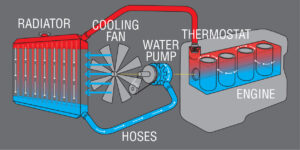
In modern industrial operations, the efficiency and longevity of equipment are paramount. One critical component that often goes unnoticed but plays a vital role in ensuring smooth operation is the cooling system. Cooling systems are essential in managing heat generated by machinery, maintaining operational stability, and improving productivity. Their significance spans across various industries, from manufacturing and energy production to electronics and chemical processing. Understanding the role of cooling systems in industrial applications helps industries optimize performance, reduce downtime, and prevent costly equipment failures.
Importance of Heat Management in Industrial Equipment
Industrial machinery, whether it is engines, turbines, compressors, or high-performance electronics, generates significant amounts of heat during operation. Without effective cooling systems, this heat can accumulate, leading to overheating. Overheating not only reduces efficiency but also causes mechanical failures, material degradation, and in severe cases, catastrophic equipment breakdown.
Cooling systems regulate temperatures by removing excess heat and maintaining optimal operating conditions. By doing so, they help extend the life of equipment and ensure safety in industrial environments. For example, in heavy machinery used in metal processing or chemical plants, precise temperature control prevents warping, corrosion, and chemical instability.
Types of Cooling Systems in Industrial Applications
Industrial applications utilize a variety of cooling systems, each designed to meet specific operational requirements. The most common types include air-cooling systems, water-cooling systems, and advanced liquid-based cooling solutions.
Air-cooling systems use fans or natural airflow to dissipate heat from equipment. These systems are relatively simple, cost-effective, and require less maintenance. They are often used in electronics, small-scale manufacturing, and areas where water resources are limited.
Water-cooling systems, on the other hand, use circulating water to absorb and transfer heat away from machinery. They are highly efficient and widely used in power plants, refineries, and heavy manufacturing facilities. Water-based cooling can handle higher thermal loads and is more consistent in maintaining stable temperatures compared to air-cooling systems.
Advanced liquid-based cooling systems employ specialized fluids such as glycol mixtures, oils, or dielectric liquids. These systems are crucial for high-precision industrial applications where temperature fluctuations must be minimized, such as semiconductor manufacturing, pharmaceutical production, and aerospace engineering.
Benefits of Effective Cooling Systems
Integrating reliable cooling systems into industrial operations offers several advantages. The primary benefit is enhanced equipment reliability. By preventing overheating, cooling systems reduce wear and tear on machinery, decreasing the likelihood of unexpected failures.
Efficiency is another key benefit. Machines operating at optimal temperatures perform better, consume less energy, and deliver higher output. For instance, in electrical motors and generators, excess heat can increase resistance, reducing energy efficiency and leading to higher operational costs. Cooling systems mitigate these issues, allowing industries to achieve energy savings and maintain sustainable operations.
Safety is also a critical consideration. Overheated equipment poses fire hazards and risks to personnel. Properly designed cooling systems ensure that machinery operates within safe temperature ranges, protecting both workers and the facility.
Additionally, cooling systems play a role in environmental compliance. Many industries are subject to strict regulations regarding heat emissions and energy efficiency. Efficient cooling systems help organizations meet these requirements while minimizing environmental impact.
Cooling Systems in Specific Industrial Sectors
Different industrial sectors have unique cooling requirements, and the choice of cooling system often depends on the type of machinery and operational demands.
In power generation, cooling systems are indispensable. Thermal power plants, whether coal, gas, or nuclear, rely on massive cooling towers and water circulation systems to remove heat from turbines and condensers. Without effective cooling, the efficiency of electricity production would drastically decrease, and equipment could be severely damaged.
The manufacturing sector also relies heavily on cooling systems. Processes such as metal forging, plastic molding, and chemical reactions generate substantial heat. Air and water cooling systems maintain machinery performance and ensure product quality. In the electronics manufacturing industry, precision cooling is essential to prevent microchips and circuit boards from overheating during assembly and testing.
The chemical and pharmaceutical industries require cooling systems not only for machinery but also for controlling reaction temperatures. Many chemical reactions are highly sensitive to temperature, and uncontrolled heat can lead to dangerous reactions, compromised product quality, and regulatory violations. Cooling systems ensure consistent reaction conditions, enhancing safety and process reliability.
Challenges and Innovations in Industrial Cooling
Despite their importance, cooling systems face several challenges. One major challenge is energy consumption. Industrial cooling systems, particularly water-based ones, can consume significant energy, contributing to operational costs. To address this, industries are increasingly adopting energy-efficient cooling technologies, such as variable-speed pumps, smart sensors, and waste heat recovery systems.
Water scarcity is another concern. Many water-cooling systems rely on large quantities of water, which can be unsustainable in arid regions. Innovations like closed-loop systems, evaporative cooling, and alternative cooling fluids are being developed to minimize water usage while maintaining efficiency.
Environmental impact is also a growing concern. Traditional refrigerants and cooling fluids can contribute to greenhouse gas emissions. Modern industrial cooling systems are shifting toward eco-friendly fluids with low global warming potential and improved thermal performance.
Technological advancements are further transforming cooling systems. Smart cooling systems equipped with sensors and AI-driven controls can monitor temperatures in real-time, adjust cooling rates automatically, and predict maintenance needs. This proactive approach reduces downtime, prevents failures, and optimizes energy use.
Maintenance and Best Practices
Proper maintenance of cooling systems is critical to ensure their longevity and effectiveness. Regular inspection, cleaning, and fluid replacement prevent blockages, corrosion, and thermal inefficiency. Monitoring coolant quality and ensuring proper flow rates are essential practices for maintaining performance.
Training personnel to operate and troubleshoot cooling systems effectively also contributes to operational reliability. A well-maintained cooling system reduces unplanned downtime, lowers maintenance costs, and safeguards both equipment and personnel.
Future Trends in Industrial Cooling
The future of industrial cooling systems is closely tied to sustainability, efficiency, and smart technology. Emerging trends include the use of renewable energy to power cooling systems, integration with industrial Internet of Things (IoT) platforms for real-time monitoring, and development of hybrid cooling solutions that combine air, water, and advanced fluids.
Industries are increasingly focusing on reducing the carbon footprint of cooling systems. Innovations like phase-change materials, nanofluids, and high-efficiency heat exchangers promise to improve cooling performance while minimizing environmental impact. These advancements will allow industries to balance productivity, safety, and sustainability in an increasingly competitive global market.
Conclusion
Cooling systems are a cornerstone of industrial operations. They ensure equipment reliability, operational efficiency, safety, and environmental compliance. Across various sectors, from power generation and manufacturing to electronics and pharmaceuticals, cooling systems manage heat effectively, preventing damage and optimizing performance.
With ongoing technological innovations and a growing emphasis on sustainability, the role of cooling systems will become even more critical in the future. Industries that invest in advanced, efficient, and environmentally friendly cooling solutions are better positioned to enhance productivity, reduce costs, and achieve long-term operational success. The importance of cooling systems in industrial applications cannot be overstated—they are silent enablers of modern industrial progress, quietly maintaining the heat balance that keeps industries running smoothly.
The effective design, implementation, and maintenance of cooling systems are no longer optional but essential for industries aiming to stay competitive, safe, and sustainable in today’s fast-paced industrial landscape.