In today’s fast-paced industrial environment, precision and efficiency are crucial. Among the tools that have significantly transformed operational processes is the mobile infrared camera for temperature measurement. Unlike traditional contact thermometers, these advanced devices allow for rapid, accurate, and non-invasive temperature monitoring across multiple applications, enhancing productivity and safety.
The Technology Behind Mobile Infrared Cameras
Mobile infrared cameras work by detecting infrared radiation emitted by objects and converting it into temperature readings. Every object emits infrared energy proportional to its temperature. By capturing this radiation, these cameras create thermal images that display temperature variations across surfaces.
One of the most significant advantages of a mobile infrared camera for temperature measurement is its non-contact nature. Operators can assess high-temperature equipment or hazardous areas without physical exposure, minimizing risk while ensuring accurate monitoring.
Applications in Manufacturing and Industrial Settings
In manufacturing and industrial environments, consistent temperature control is vital for maintaining product quality and operational safety. A mobile infrared camera for temperature measurement enables engineers to monitor machinery, electrical systems, and production lines efficiently.
For example, overheating motors or electrical panels can lead to equipment failure or fire hazards. Thermal imaging with mobile infrared cameras allows technicians to detect hotspots early, preventing costly downtime and reducing maintenance costs. Additionally, these cameras can monitor temperature variations in raw materials, ensuring uniformity and compliance with quality standards.
Enhancing Energy Efficiency and Sustainability
Industries are increasingly focusing on energy efficiency to reduce operational costs and environmental impact. Mobile infrared cameras play a crucial role in identifying areas of energy loss. They can detect insulation gaps, heat leaks, and inefficient equipment in real-time, allowing facility managers to take corrective measures immediately.
Using a mobile infrared camera for temperature measurement not only helps conserve energy but also contributes to sustainability initiatives by reducing carbon footprints and optimizing resource consumption.
Healthcare and Medical Applications
Temperature monitoring is a critical component in healthcare, particularly for infection control and patient safety. Mobile infrared cameras offer rapid, non-invasive screening for fever or localized temperature abnormalities.
Hospitals and clinics can deploy mobile infrared cameras for temperature measurement to monitor patients without physical contact, reducing the risk of cross-contamination. During pandemics or infectious outbreaks, this technology becomes even more essential, allowing staff to perform mass screenings efficiently and safely.
Food Industry and Safety Compliance
Maintaining proper temperature levels is crucial in the food industry to ensure safety and quality. Mobile infrared cameras allow for continuous monitoring of cooking, storage, and transportation processes.
By using a mobile infrared camera for temperature measurement, food processing plants can quickly identify deviations from safe temperature ranges, preventing spoilage and contamination. This real-time monitoring ensures compliance with food safety regulations and protects public health.
Oil, Gas, and Energy Sectors
The oil, gas, and energy industries deal with high-risk environments where temperature fluctuations can lead to catastrophic failures. Mobile infrared cameras are invaluable in these sectors for monitoring pipelines, refineries, and power plants.
Technicians can use a mobile infrared camera for temperature measurement to inspect critical components remotely, detecting issues such as leaks, corrosion, or overheating before they escalate into emergencies. This proactive approach enhances operational reliability and reduces the risk of accidents.
Construction and Building Inspection
In construction and building maintenance, mobile infrared cameras have become a standard tool for identifying hidden problems. They can detect moisture intrusion, structural defects, and insulation inefficiencies that are invisible to the naked eye.
A mobile infrared camera for temperature measurement allows inspectors to generate thermal maps of buildings, highlighting temperature variations that may indicate energy loss or structural concerns. Early detection enables timely repairs, reducing long-term costs and improving building performance.
Advantages Over Traditional Methods
Traditional temperature measurement methods, such as contact thermometers or thermocouples, have limitations. They require physical access, which can be time-consuming, unsafe, or impossible in certain environments.
Mobile infrared cameras eliminate these barriers. They offer:
Rapid measurement of large areas
Non-contact operation for safety
Detailed thermal imaging for precise analysis
Data storage and integration with monitoring systems
These advantages make mobile infrared cameras for temperature measurement indispensable tools for modern industries.
Real-Time Monitoring and Data Integration
The integration of mobile infrared cameras with digital monitoring systems enhances their value. Many devices come equipped with software that allows for real-time data logging, trend analysis, and reporting.
This feature enables managers to make informed decisions, optimize processes, and maintain compliance with industry standards. The combination of mobility, accuracy, and digital integration ensures that temperature monitoring is both effective and efficient.
Future Prospects and Technological Advancements
The future of mobile infrared cameras is promising. Advancements in sensor technology, miniaturization, and artificial intelligence are set to expand their capabilities. AI-powered thermal analysis can automatically identify anomalies and predict potential failures before they occur, increasing safety and operational efficiency.
As industries continue to adopt automation and smart monitoring systems, the role of mobile infrared cameras for temperature measurement will become even more critical. These devices are not only tools for observation but also strategic instruments for predictive maintenance and intelligent decision-making.
Conclusion
The advent of mobile infrared cameras has revolutionized temperature measurement across industries. From manufacturing and energy sectors to healthcare and food safety, these devices provide fast, accurate, and non-invasive temperature monitoring. By using a mobile infrared camera for temperature measurement, industries can improve safety, enhance efficiency, reduce costs, and maintain regulatory compliance.
As tec

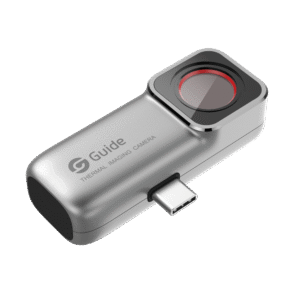 In today’s fast-paced industrial environment, precision and efficiency are crucial. Among the tools that have significantly transformed operational processes is the mobile infrared camera for temperature measurement. Unlike traditional contact thermometers, these advanced devices allow for rapid, accurate, and non-invasive temperature monitoring across multiple applications, enhancing productivity and safety.