
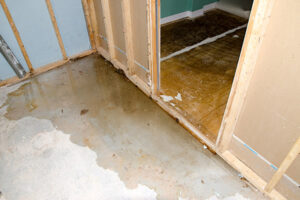
Basement water damage is one of the most common yet overlooked problems homeowners face. Even a small leak or minor seepage can escalate into serious structural issues, mold growth, and health hazards if not addressed promptly. Understanding when to handle repairs yourself and when to call professionals is crucial to protecting your property and your family.
Understanding Basement Water Damage
Basement water damage occurs when water infiltrates the lower levels of a home. This can result from a variety of sources, including heavy rainfall, plumbing leaks, foundation cracks, poor drainage, or even groundwater seepage. The effects can range from cosmetic issues, such as stained walls and warped flooring, to serious structural damage, including compromised foundation integrity and mold infestations.
Water in the basement doesn’t always appear as a dramatic flood. Sometimes, it starts as dampness, condensation, or subtle leaks. Ignoring these early signs can lead to increased repair costs and more extensive damage over time.
Common Causes of Basement Water Damage
Several factors contribute to basement water damage:
-
Poor Drainage Systems: Gutters, downspouts, and grading around the home play a crucial role in diverting water away from the foundation. When these systems fail, water can pool around the basement, leading to seepage.
-
Cracks in the Foundation: Even minor cracks in basement walls or floors can allow water to penetrate. Over time, these cracks can widen due to pressure from groundwater, exacerbating the damage.
-
Plumbing Leaks: Aging or damaged pipes can leak directly into the basement. Slow leaks might go unnoticed for months, causing hidden water damage that undermines flooring, walls, and stored belongings.
-
Sump Pump Failure: Sump pumps are designed to keep basements dry by pumping out excess water. If a sump pump fails during a heavy storm or power outage, the basement can flood quickly.
-
High Groundwater Levels: Homes located in areas with high water tables are particularly susceptible. Even minor rainfall can push groundwater into basements, especially if waterproofing measures are inadequate.
Signs You Need Expert Basement Water Damage Repair
Not all basement water damage requires professional intervention, but certain signs indicate it’s time to call the experts:
-
Persistent Dampness or Standing Water: If water continues to accumulate despite your attempts to remove it, professional pumps and drying equipment may be necessary.
-
Mold Growth: Mold can start growing within 24 to 48 hours in damp conditions. Visible mold, musty odors, or allergic reactions in family members suggest that professional mold remediation is needed.
-
Structural Concerns: Bowing walls, cracked floors, or shifting foundations are serious indicators that water damage has compromised the structure of your home. Professionals can assess and repair the damage safely.
-
Electrical Hazards: Water in contact with electrical outlets, appliances, or wiring is extremely dangerous. A professional water damage service can handle these situations safely.
-
Recurring Water Issues: If the basement floods repeatedly, even after minor repairs, it may indicate an underlying problem with the foundation, drainage, or waterproofing that requires expert evaluation.
Risks of Ignoring Basement Water Damage
Neglecting basement water damage can lead to several long-term problems:
-
Structural Damage: Continuous water exposure weakens walls, floors, and support beams, which can compromise the safety of your home.
-
Mold and Mildew: Moist environments promote mold growth, which not only damages materials but also poses health risks, including respiratory issues and allergic reactions.
-
Property Loss: Water can ruin furniture, electronics, and personal belongings stored in the basement.
-
Decreased Home Value: Homes with a history of basement water damage are less attractive to buyers and may sell for a lower price.
The Process of Professional Basement Water Damage Repair
Experts follow a structured process to address basement water damage efficiently:
-
Assessment and Inspection: Professionals evaluate the source and extent of the water damage. This may involve moisture meters, infrared cameras, and structural inspections.
-
Water Removal: Using industrial pumps and vacuums, experts remove standing water quickly to minimize damage and reduce the risk of mold.
-
Drying and Dehumidification: Specialized equipment, such as industrial fans and dehumidifiers, thoroughly dries the affected areas. Proper drying is crucial to prevent mold and structural issues.
-
Cleaning and Sanitization: Areas affected by contaminated water, including sewage backup or floodwater, are disinfected and treated to eliminate bacteria and pathogens.
-
Repair and Restoration: Professionals repair damaged walls, floors, and foundations, restoring the basement to a safe and functional state. This may include sealing cracks, installing waterproofing systems, or replacing damaged materials.
-
Prevention Strategies: Experts often recommend preventive measures to avoid future basement water damage, such as improved drainage, sump pump installation, and waterproof coatings.
DIY vs. Professional Repair
While minor leaks or small wet spots may be manageable with DIY methods, significant basement water damage often requires professional expertise. Attempting to handle extensive water damage without proper tools and knowledge can lead to incomplete repairs, ongoing moisture problems, and health hazards.
Professional services not only restore the basement safely but also ensure long-term protection, reducing the risk of recurrence. Investing in expert repair may seem costly initially, but it often saves money by preventing repeated damage and extensive structural repairs.
Choosing the Right Basement Water Damage Experts
When hiring professionals, consider these factors:
-
Experience and Credentials: Look for companies specializing in basement water damage and holding certifications in water damage restoration.
-
24/7 Availability: Water emergencies can happen anytime. A reliable service should offer prompt response to minimize damage.
-
Comprehensive Services: Choose experts who provide assessment, water removal, drying, repair, and preventive solutions.
-
Customer Reviews and References: Positive feedback from previous clients indicates reliable and effective service.
-
Insurance Assistance: Reputable companies often help navigate insurance claims, easing the financial burden of repairs.
Preventing Future Basement Water Damage
Prevention is always better than repair. Homeowners can take several measures to reduce the risk of future water problems:
-
Maintain gutters and downspouts to direct water away from the foundation.
-
Seal foundation cracks and gaps with waterproof materials.
-
Install or maintain a sump pump system.
-
Ensure proper grading around the home to prevent water pooling.
-
Regularly inspect plumbing for leaks and corrosion.
-
Consider installing a dehumidifier in the basement to control moisture levels.
Conclusion
Basement water damage is a serious issue that can escalate quickly if ignored. Recognizing the signs and knowing when to call the experts is crucial for protecting your home, health, and belongings. While small leaks can sometimes be handled with DIY methods, professional basement water damage repair ensures thorough remediation, structural safety, and long-term prevention. Investing in expert repair not only restores your basement but also provides peace of mind, knowing that your home is safeguarded against future water damage.
By taking proactive steps and trusting experienced professionals, homeowners can minimize the risks and costs associated with basement water damage, turning a potentially devastating situation into a manageable one.