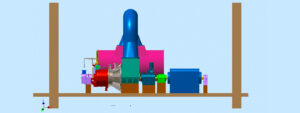
The steam turbine island is a critical component of modern power plants, serving as the heart of electricity generation in thermal and combined-cycle facilities. Understanding its design and operation is essential for engineers, operators, and stakeholders involved in power generation. This guide explores the key aspects of a steam turbine island, including its components, design principles, operational strategies, and maintenance practices.
Understanding the Steam Turbine Island Concept
A steam turbine island refers to the integrated section of a power plant where steam generation, conversion of thermal energy into mechanical energy, and electricity generation occur. It typically comprises the steam turbine itself, associated generators, condensers, feedwater systems, and auxiliary equipment. The design of a steam turbine island focuses on maximizing efficiency, reliability, and safety while ensuring smooth integration with the rest of the power plant systems.
The core function of a steam turbine island is to convert high-pressure, high-temperature steam into mechanical rotational energy, which drives the generator to produce electricity. Proper design ensures minimal energy loss during this conversion and optimal utilization of fuel resources.
Key Components of a Steam Turbine Island
The major components of a steam turbine island include:
Steam Turbine: The turbine is the central piece of equipment, which may include high-pressure, intermediate-pressure, and low-pressure stages. Multi-stage turbines are designed to efficiently extract energy at various pressure levels.
Generator: Coupled directly to the turbine, the generator converts mechanical energy from the turbine into electrical energy for distribution.
Condenser: After passing through the turbine, steam is condensed into water in the condenser. This process reduces the back pressure on the turbine and allows for the recycling of condensate back into the boiler.
Feedwater System: This system pumps condensed water back to the boiler. It includes pumps, heaters, and control valves to maintain proper flow, pressure, and temperature.
Auxiliary Equipment: Essential support systems such as lubrication oil systems, cooling water systems, and control systems ensure the turbine island operates smoothly and safely.
Design Principles of a Steam Turbine Island
Designing a steam turbine island involves careful consideration of thermodynamic efficiency, mechanical integrity, and plant layout. Engineers must account for factors like steam parameters, load requirements, and environmental conditions. Key principles include:
Thermodynamic Optimization: Steam conditions, including pressure and temperature, are selected to maximize the thermodynamic efficiency of the turbine while ensuring material durability.
Mechanical Reliability: Turbines and generators are designed to withstand high rotational speeds, thermal stresses, and pressure fluctuations over extended periods.
Integrated Layout: The placement of the turbine, condenser, and auxiliary systems is optimized to minimize piping lengths, reduce heat losses, and facilitate maintenance.
Safety and Compliance: Adhering to international standards, such as ASME and IEC, ensures safe operation under all conditions, including emergency shutdowns and transient load variations.
Operation of a Steam Turbine Island
Efficient operation of a steam turbine island requires continuous monitoring, control, and adjustment of various parameters. The operational process can be divided into start-up, normal operation, and shutdown phases.
Start-Up Procedure
During start-up, the turbine is gradually brought to operating speed while ensuring thermal stresses are minimized. Steam is introduced at controlled pressure and temperature, and auxiliary systems are activated sequentially. Control systems monitor turbine speed, vibration levels, and bearing temperatures to prevent damage.
Normal Operation
In steady-state operation, the turbine island produces electricity while maintaining optimal efficiency. Key operational parameters include:
Steam flow rate and temperature
Generator output voltage and frequency
Condenser vacuum and cooling water temperature
Lubrication oil pressure and temperature
Advanced control systems, including distributed control systems (DCS) and supervisory control, help operators adjust these parameters in real-time to respond to load fluctuations and maintain stability.
Load Variation and Flexibility
Modern power plants require turbines to respond quickly to changes in demand. Flexible operation of a steam turbine island ensures efficient electricity generation under varying load conditions. High-efficiency turbines with fast ramp-up capabilities are essential in grid-connected plants.
Shutdown Procedure
During shutdown, the turbine is cooled down gradually to prevent thermal shock. Steam flow is reduced, and auxiliary systems manage residual heat. Proper shutdown procedures are crucial to prolong turbine life and maintain overall plant reliability.
Maintenance and Reliability
Maintenance of a steam turbine island is essential for long-term performance and safety. Regular inspection, predictive maintenance, and condition monitoring reduce the risk of unexpected failures. Common maintenance activities include:
Checking turbine blades for erosion, corrosion, or fatigue
Inspecting generator windings and insulation
Monitoring bearing conditions and lubrication systems
Cleaning condenser tubes and maintaining cooling water quality
Predictive maintenance techniques, such as vibration analysis, thermography, and oil particle analysis, help detect potential issues before they lead to costly downtime.
Advances in Steam Turbine Island Technology
Recent innovations have enhanced the efficiency, flexibility, and environmental performance of steam turbine islands. Key advancements include:
Supercritical and Ultra-Supercritical Turbines: Operating at higher pressures and temperatures, these turbines offer improved thermodynamic efficiency and lower fuel consumption.
Digital Monitoring and Automation: Real-time data acquisition and analytics allow operators to optimize performance and predict maintenance needs.
Combined-Cycle Integration: Steam turbine islands are increasingly integrated with gas turbines in combined-cycle power plants, capturing waste heat and improving overall efficiency.
Emission Reduction Technologies: Modern designs incorporate advanced steam conditions and material technologies to reduce greenhouse gas emissions and improve sustainability.
Conclusion
The steam turbine island is the backbone of thermal power generation, integrating complex mechanical, electrical, and thermal systems to convert steam energy into electricity efficiently. Proper design, operation, and maintenance are critical to maximizing performance, reliability, and lifespan. As energy demands grow and environmental standards become stricter, continuous innovation in steam turbine island technology remains essential. For engineers and operators, understanding these systems in depth ensures optimal performance, safe operation, and sustainable power generation.

 The steam turbine island is a critical component of modern power plants, serving as the heart of electricity generation in thermal and combined-cycle facilities. Understanding its design and operation is essential for engineers, operators, and stakeholders involved in power generation. This guide explores the key aspects of a steam turbine island, including its components, design principles, operational strategies, and maintenance practices.