Understanding the inner workings of your vehicle can seem daunting, especially when it comes to components like the Car IC. For many drivers, terms like “IC” or “integrated circuit” can sound overly technical, but breaking them down into simple concepts makes it much easier to grasp. This guide will help non-tech drivers understand what a Car IC is, its role in modern vehicles, and why it matters for your car’s performance and safety.
What is a Car IC?
A Car IC, or integrated circuit, is a small electronic component that plays a critical role in your vehicle’s electronic systems. Think of it as a tiny brain that processes information and controls various functions in your car. Car ICs are used in almost every aspect of modern vehicles, from engine management to infotainment systems and safety features.
Traditionally, vehicles relied heavily on mechanical systems, but as cars became more sophisticated, electronics started to dominate. Today, Car ICs help manage fuel injection, braking systems, air conditioning, and even entertainment features. Without these circuits, modern vehicles would not be able to function efficiently or safely.
How a Car IC Works
At its core, a Car IC is made up of multiple tiny electronic components, such as transistors, resistors, and capacitors, all embedded onto a small semiconductor chip. These components work together to process electrical signals and execute commands. In a vehicle, this means that the Car IC receives inputs from sensors, interprets the data, and then sends outputs to various systems to perform specific actions.
For example, in an engine control system, a Car IC monitors inputs from oxygen sensors, throttle position sensors, and temperature sensors. Based on this data, it adjusts fuel injection and ignition timing to ensure optimal performance and fuel efficiency. Similarly, in a braking system, Car ICs can monitor wheel speed and apply anti-lock braking when necessary.
Types of Car ICs in Vehicles
There are several types of Car ICs, each serving different purposes in a vehicle:
Engine Control ICs – These manage engine performance, fuel efficiency, and emissions. They are essential for the smooth operation of your car and reducing environmental impact.
Safety ICs – Used in systems like airbags, anti-lock brakes, and traction control, these Car ICs ensure the vehicle responds correctly in emergency situations.
Infotainment ICs – Found in audio systems, navigation, and touchscreen interfaces, these circuits enhance the driving experience by providing convenience and entertainment.
Power Management ICs – These manage the car’s battery, charging systems, and energy distribution, ensuring all electronics function correctly without draining power unnecessarily.
Understanding the type of Car IC in your vehicle can help you appreciate how your car maintains performance, safety, and comfort simultaneously.
Why Car ICs Matter to Non-Tech Drivers
Even if you don’t understand the technical details, knowing the importance of Car ICs can make you a more informed driver. Car ICs contribute to:
Fuel Efficiency: By optimizing engine performance, Car ICs help reduce fuel consumption, saving money and reducing emissions.
Safety: Integrated circuits control critical safety systems, reducing the risk of accidents and ensuring systems respond correctly in emergencies.
Reliability: With proper functioning Car ICs, your vehicle’s electronics are less likely to fail, leading to fewer breakdowns and expensive repairs.
Convenience: Features like automatic climate control, adaptive cruise control, and advanced infotainment systems rely on Car ICs to operate smoothly.
For non-tech drivers, this means that while the Car IC may seem invisible, it is constantly working behind the scenes to make driving safer, smoother, and more enjoyable.
Common Signs of Car IC Issues
Even the best Car ICs can face issues over time. Recognizing the signs of a failing circuit can help prevent larger problems:
Warning Lights: If the check engine light or other warning indicators come on, it could signal a Car IC problem.
Erratic Performance: Irregular engine behavior, sudden stalling, or inconsistent fuel efficiency may indicate an issue.
Electrical Malfunctions: Problems with infotainment, lighting, or other electronic systems could be traced to a failing Car IC.
Overheating: Some Car ICs regulate temperature-sensitive systems, so overheating may point to a malfunction.
If any of these signs appear, it’s best to have a professional technician inspect your vehicle to avoid further damage.
Maintenance Tips for Car IC Longevity
While you cannot directly repair Car ICs as a non-tech driver, there are steps you can take to maintain their functionality:
Keep Electronics Dry: Water or excessive moisture can damage circuits, so avoid exposing your vehicle’s electronics to wet conditions.
Regular Servicing: Routine maintenance helps ensure sensors, wiring, and connections that interact with Car ICs are in good condition.
Avoid Overloading: Don’t add too many aftermarket electronics that could strain the vehicle’s circuits.
Use Quality Parts: When replacing components, use parts that meet or exceed manufacturer specifications to prevent circuit failures.
These simple practices help your Car ICs function reliably, extending the life of your vehicle’s electronics.
Future of Car ICs
The role of Car ICs is only expected to grow as vehicles become more advanced. With the rise of electric vehicles, autonomous driving, and connected car technology, integrated circuits will become even more central to vehicle operation. Future Car ICs will handle complex tasks such as real-time navigation, self-driving algorithms, and advanced safety monitoring, making them indispensable to the automotive experience.
Understanding Car ICs today not only helps you appreciate current technology but also prepares you for future advancements in automotive electronics.
Conclusion
For non-tech drivers, a Car IC might seem like an intimidating term, but at its heart, it is simply the electronic component that helps your car run smoothly, safely, and efficiently. From engine management to safety systems and infotainment, Car ICs are everywhere in modern vehicles. By understanding the basics, recognizing warning signs, and following simple maintenance tips, you can ensure that your vehicle continues to perform at its best. The next time your car operates flawlessly, remember that the Car IC is quietly doing the heavy lifting behind the scenes.
Car ICs may be small, but their impact on your driving experience is enormous. Knowing even the basics can make you a more informed, confident, and proactive driver.

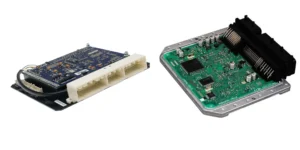 Understanding the inner workings of your vehicle can seem daunting, especially when it comes to components like the Car IC. For many drivers, terms like “IC” or “integrated circuit” can sound overly technical, but breaking them down into simple concepts makes it much easier to grasp. This guide will help non-tech drivers understand what a Car IC is, its role in modern vehicles, and why it matters for your car’s performance and safety.