
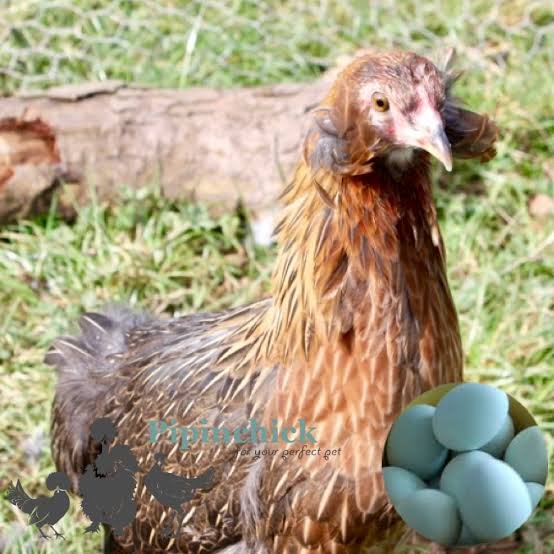
Araucana chickens are an interesting choice for poultry enthusiasts who appreciate distinctive birds, colorful eggs, and a breed with a unique appearance. Known for their blue eggs and characteristic physical features, Araucanas attract backyard chicken keepers, small-scale farmers, and people interested in maintaining diverse poultry araucana for sale breeds. However, purchasing Araucana hens and roosters requires careful planning. Buyers should understand the breed’s characteristics, housing needs, health requirements, breeding considerations, and the responsibilities involved in keeping a healthy flock.
Whether you are starting your first backyard flock or expanding an existing poultry operation, knowing what to look for before making a purchase can help you choose suitable birds and avoid unnecessary difficulties.
Understanding the Araucana Chicken Breed
Before buying Araucana hens and roosters, it is important to learn about their defining characteristics. Araucanas originated in South America and are particularly associated with blue-shelled eggs. They are also known for their distinctive appearance, which may include ear tufts and the absence of a tail, depending on the breed standard and individual bird.
Araucanas are sometimes confused with Ameraucanas and Easter Eggers. Although these birds can share certain features, they are not the same. True Araucanas have specific characteristics recognized by poultry breeding standards, while other blue-egg-laying chickens may have different appearances and genetic backgrounds.
Understanding these differences helps buyers communicate clearly with sellers and select birds that match their expectations. If maintaining a recognized breed is important, ask about the birds’ ancestry, breeding records, and conformity to the relevant poultry standard.
Choose a Reputable Poultry Seller
Finding a trustworthy seller is one of the most important steps when purchasing Araucana hens and roosters. A reputable breeder should be willing to explain how the birds were raised, what they have been fed, and whether they have received appropriate care.
Look for sellers who maintain clean poultry facilities and keep their breeding groups under suitable conditions. Healthy birds should appear alert, active, and reasonably well-groomed. Their eyes should be clear, their breathing should appear normal, and their feathers should not show obvious signs of severe damage or persistent parasite problems.
Ask the seller about the birds’ ages, vaccination history where applicable, and any previous health concerns. Responsible breeders generally welcome reasonable questions because they want their birds to go to suitable homes.
Avoid making a purchase based only on attractive photographs or a low price. Whenever possible, inspect the birds in person or request recent, clear photographs and detailed information before arranging delivery.
Inspect the Health of Hens and Roosters
The overall health of your future flock should take priority over appearance or egg color. Before purchasing Araucana chickens, examine each bird for signs of good condition and normal behavior.
Healthy birds are generally responsive to their surroundings, move comfortably, and show interest in food and water. Check for clean nostrils, clear eyes, normal breathing, and feet without obvious swelling or serious injury. Examine the feathers and skin for signs of mites, lice, or unusual feather loss.
Hens and roosters should also have suitable body condition for their age and development. Very young birds may not yet display their adult characteristics, so avoid judging their long-term quality entirely by their current appearance.
If you are buying several birds, ask whether they have been kept together and whether the seller has experienced recent illness within the flock. Introducing new chickens can spread infectious diseases, so arrange a separate quarantine area for newly purchased birds and seek veterinary guidance if you notice any concerning symptoms.
Decide How Many Hens and Roosters You Need
The ideal number of Araucana hens and roosters depends on your goals. Someone interested primarily in blue eggs may need only a small group of hens, while a breeder may require carefully selected birds with known backgrounds.
Hens can produce eggs without a rooster. Therefore, if your main purpose is collecting eggs for household use, buying a rooster is not necessary.
If you plan to hatch chicks, however, a healthy rooster is required for natural fertilization. One rooster may be sufficient for a modest breeding group, although the appropriate ratio depends on the birds, their management, and the breeder’s objectives.
Keeping too many roosters together can lead to competition, fighting, and excessive mating pressure on hens. Provide enough space and monitor the flock’s behavior closely. If aggression develops, separate the birds when necessary.
Before buying a rooster, consider whether your property can accommodate his behavior, including crowing. This is particularly important in residential areas where noise may disturb neighbors.
Evaluate the Quality of the Eggs and Breeding Stock
Araucanas are especially popular because of their blue eggs, but buyers should understand that egg production varies with age, nutrition, daylight, health, and individual genetics.
Ask the seller whether the hens are currently laying and what information is available about their egg production. Remember that young pullets may not begin laying immediately, and hens can temporarily reduce production during seasonal changes or periods of stress.
If you intend to breed Araucanas, investigate the quality of the parent birds. Reliable breeding records can help you understand their ancestry and the characteristics that may appear in their offspring.
Genetics are particularly important in Araucanas because some inherited traits, including ear tufts, are associated with complex breeding outcomes. The tufted trait can be linked to a lethal genetic combination when inherited from both parents. Buyers interested in breeding should work with knowledgeable breeders who understand these risks and can explain their breeding practices.
Do not assume that every chicken advertised as an Araucana will produce offspring that meet a particular breed standard. Ask for clear information about parentage and avoid relying on egg color alone to establish breed identity.
Prepare Suitable Housing and Outdoor Space
Before bringing Araucana hens and roosters home, prepare a secure, comfortable environment. Chickens need a dry, well-ventilated coop that protects them from rain, wind, extreme temperatures, and predators.
Provide adequate floor space, suitable roosting bars, nesting boxes for hens, and clean bedding. Nesting boxes should be positioned in quiet areas where hens can lay eggs comfortably. The coop should also allow easy cleaning and routine health inspections.
An outdoor run gives chickens opportunities to scratch, explore, dust-bathe, and engage in natural behaviors. Use secure fencing and appropriate overhead protection where predators are a concern.
Araucanas, like other chickens, benefit from shade during hot weather and protection from harsh conditions. Local climate should influence the design of their housing, especially in regions with high summer temperatures.
Before purchasing your birds, check local rules regarding poultry ownership, roosters, flock size, and property restrictions. Planning these details in advance can prevent problems after the chickens arrive.
Understand Feeding and Daily Care
Proper nutrition supports healthy growth, egg production, and general well-being. Araucana hens and roosters need a balanced poultry diet suited to their age and purpose.
Growing chicks require an appropriate starter feed, while laying hens generally benefit from a complete layer ration formulated for their needs. Roosters and non-laying birds may require a different feeding approach, particularly when kept alongside laying hens. A poultry nutrition professional can help you select a suitable feeding plan for a mixed flock.
Fresh, clean water must always be available. Feeders and drinkers should be positioned to reduce contamination and waste, and they should be cleaned regularly.
Provide opportunities for natural behavior, including scratching and dust-bathing. Routine care should include checking the flock’s condition, maintaining clean housing, collecting eggs, and monitoring changes in appetite, activity, or laying patterns.
Budget for feed, bedding, equipment, preventive health care, and occasional veterinary expenses. These ongoing costs are an important part of responsible chicken ownership.
Compare Prices and Understand What Is Included
The price of Araucana hens and roosters can vary depending on age, location, breeding quality, availability, and the seller’s reputation. Mature laying hens may cost more than young pullets, while well-documented breeding stock may command a premium.
When comparing offers, consider more than the purchase price. Ask whether the quoted amount includes transportation, health documentation, or any applicable registration records.
Be cautious of unusually low prices accompanied by vague descriptions or unsupported claims about breed purity. Similarly, a high price does not automatically guarantee superior genetics or health.
Request a clear breakdown of costs and confirm the birds’ ages and sex before completing the transaction. If delivery is necessary, ensure that the seller uses appropriate animal transport practices and that you are prepared to receive the birds safely.
Plan for Introducing Your New Chickens
Even healthy chickens can experience stress when moved to a new environment. Prepare the coop, feeders, drinkers, and quarantine space before collection or delivery.
Keep new arrivals separate from your existing flock for an appropriate quarantine period, commonly around 30 days, while following veterinary advice and local biosecurity recommendations. Use separate equipment where possible and monitor the birds for signs of illness.
Once the quarantine period is complete and the birds appear healthy, introduce them gradually. Allowing chickens to see one another through a barrier before sharing the same space can help reduce conflict.
Observe interactions closely, especially when introducing a new rooster or combining birds of different ages. Provide enough room and multiple feeding and drinking points so that less dominant chickens are not prevented from accessing essential resources.
Conclusion
Buying Araucana hens and roosters can be a rewarding experience when the decision is based on careful research and realistic expectations. Buyers should investigate the seller’s reputation, inspect the birds’ health, understand breed characteristics, evaluate breeding records, and prepare appropriate housing before making a purchase.
It is equally important to consider flock size, feeding expenses, local regulations, and the long-term responsibilities of poultry ownership. Anyone planning to breed Araucanas should pay particular attention to genetics and select breeding stock with guidance from experienced breeders.
By prioritizing health, responsible breeding, suitable living conditions, and reliable information, you can establish a healthy Araucana flock that meets your goals, whether you are interested in colorful eggs, backyard poultry keeping, or preserving distinctive chicken varieties.