
Introduction
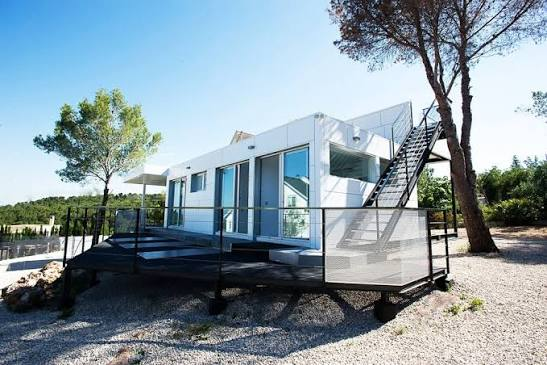
The construction industry is constantly evolving as businesses, developers, and property owners search for faster, more affordable, and more efficient ways to create functional spaces. One approach gaining attention is modular building, a construction method that combines modern technology, innovative design, and off-site manufacturing Accommodation Container to deliver high-quality structures. From residential homes and office spaces to schools, hospitals, and commercial facilities, modular buildings offer flexible solutions for a wide range of needs.
Unlike traditional construction, which takes place almost entirely at the final building location, modular construction involves manufacturing individual sections of a structure in a controlled factory environment. These sections are then transported to the site and assembled to form a complete building. This approach can reduce construction time, improve quality control, and minimize disruption to surrounding areas.
What Is Modular Building?
Modular building is a construction technique in which a structure is created using prefabricated sections called modules. Each module is manufactured according to a specific design and may include walls, floors, ceilings, electrical systems, plumbing, insulation, and interior finishes.
After production, the modules are transported to the construction site, where trained professionals position and connect them according to the project plans. The finished structure can look similar to a traditionally constructed building, offering a wide range of architectural styles and interior layouts.
Modular construction is suitable for both temporary and permanent applications. It can be used for small residential properties, large apartment complexes, healthcare facilities, educational buildings, retail spaces, and industrial accommodation.
How Does Modular Construction Work?
The modular building process usually begins with planning and design. Architects, engineers, and construction specialists work together to determine the building’s size, purpose, layout, and technical requirements. Modern design software helps coordinate measurements and identify potential problems before manufacturing begins.
Once the design is approved, the modules are produced in a factory. Workers assemble the structural frames, install essential systems, and complete selected interior and exterior elements. Because the manufacturing process takes place indoors, materials and components can be protected from many weather-related delays.
Meanwhile, the construction team prepares the building site. This may involve foundation work, utility connections, drainage, and access arrangements for delivery vehicles.
When the modules are ready, they are transported to the site and lifted into position using suitable equipment. Workers then connect the modules, complete the remaining services, inspect the structure, and carry out final finishing work. This coordinated process allows several activities to happen simultaneously, potentially shortening the overall project schedule.
Major Benefits of Modular Building
Faster Construction Time
One of the most significant advantages of modular building is its potential to reduce project completion time. Traditional construction generally follows a sequence in which one stage must be completed before another can begin. Modular construction allows factory manufacturing and site preparation to happen at the same time.
For example, while workers prepare foundations, factory teams can manufacture the building modules. Once the site is ready, the completed sections can be delivered and assembled. This overlapping workflow can help businesses and property owners make buildings operational sooner.
Improved Quality Control
Factory-based manufacturing provides a controlled environment for construction activities. Workers can follow standardized procedures, use specialized equipment, and inspect materials throughout production.
This organized approach can improve consistency and reduce certain types of errors. However, quality still depends on the manufacturer’s expertise, material selection, engineering standards, and proper installation at the final location.
Better Cost Management
Modular construction can help project managers control costs through standardized designs, efficient material use, and predictable production schedules. Purchasing materials in planned quantities may also reduce waste and improve purchasing efficiency.
Shorter construction schedules can potentially lower labor-related expenses and reduce the time businesses spend waiting for a facility to become operational. Nevertheless, transportation, crane requirements, foundation work, design complexity, and local regulations can affect the total project cost.
A detailed estimate should therefore consider the entire project rather than focusing only on the factory price of individual modules.
Reduced Material Waste
Sustainability is becoming increasingly important in the construction industry. Modular building can support waste reduction because materials are measured, cut, and assembled in a controlled production environment.
Manufacturers may be able to reuse offcuts, organize recycling, and purchase materials more efficiently. Factory production can also reduce unnecessary packaging and material damage when suitable management systems are in place.
The environmental benefits vary according to the materials used, transportation distances, energy consumption, and the building’s long-term performance.
Common Applications of Modular Buildings
Modular construction is adaptable to many sectors because modules can be designed for different functions.
Residential Properties
Modular homes provide an alternative for individuals and families seeking modern living spaces. They can include bedrooms, kitchens, bathrooms, living areas, and energy-efficient features. Depending on the design, modules may be combined to create larger homes or multi-story residential developments.
Commercial Offices
Businesses often need office space that can be established within a limited timeframe. Modular offices can provide meeting rooms, workstations, reception areas, and staff facilities. Their layouts can also be adjusted as organizational requirements change.
Schools and Educational Facilities
Educational institutions may use modular classrooms to accommodate growing student populations or replace facilities undergoing renovation. These buildings can include teaching rooms, administrative offices, laboratories, and support spaces, subject to applicable safety and building standards.
Healthcare Facilities
Hospitals, clinics, and healthcare providers may use modular construction for examination rooms, treatment areas, laboratories, and additional patient facilities. Careful planning is essential to ensure compliance with hygiene, ventilation, accessibility, and medical infrastructure requirements.
Industrial and Construction Sites
Industrial companies may require staff accommodation, changing rooms, site offices, and welfare facilities. Modular buildings can provide practical solutions for projects where conventional construction would be difficult or time-consuming.
Modular Building and Sustainable Design
Sustainable construction involves more than reducing waste during manufacturing. A well-designed modular building should also perform efficiently throughout its useful life.
High-quality insulation, energy-efficient windows, suitable ventilation, and modern heating or cooling systems can help reduce energy consumption. Durable materials and effective moisture protection can also improve the building’s lifespan.
Designers should consider whether modules can be repaired, reconfigured, relocated, or reused in the future. These options may extend the useful life of building components and reduce the need for new materials.
However, modular construction is not automatically environmentally friendly. Its overall impact depends on the production process, transportation, building performance, maintenance requirements, and eventual disposal or reuse of materials.
Challenges to Consider Before Choosing Modular Construction
Although modular building offers many benefits, it also presents challenges that require careful planning.
Transportation is an important consideration because modules must fit within applicable road limits and travel safely to the project site. Difficult access routes, bridges, overhead obstacles, and restricted urban streets may increase delivery complexity.
Site preparation must also be completed accurately. Foundations, utility connections, and installation areas need to match the engineering specifications of the manufactured modules.
Another consideration is design flexibility. While modular buildings can support many architectural styles, major design changes after manufacturing begins may be expensive or difficult to implement.
Finally, buyers should confirm that the building meets local planning rules, fire safety requirements, structural standards, accessibility regulations, and other applicable codes. Working with experienced architects, engineers, manufacturers, and installation contractors can help address these issues.
The Future of Modular Building
Advances in digital design, manufacturing equipment, and construction materials are creating new opportunities for modular building. Building Information Modeling (BIM) can help teams coordinate structural components, mechanical systems, and electrical installations before production begins.
Automation and standardized manufacturing processes may further improve consistency and productivity. Meanwhile, growing interest in energy efficiency and reduced construction waste is encouraging developers to explore more sustainable modular solutions.
As cities expand and demand for housing, healthcare, education, and commercial space increases, modular construction may become an increasingly valuable part of the construction industry. Its success will depend on thoughtful design, skilled installation, reliable manufacturing, and compliance with established safety standards.
Conclusion
Modular building represents a practical and innovative approach to modern construction. By combining factory manufacturing with on-site assembly, it can offer faster project delivery, improved quality control, more efficient material use, and flexible design possibilities.
Its applications extend across residential, commercial, educational, healthcare, and industrial sectors. Although transportation, site preparation, upfront planning, and regulatory compliance require careful attention, these challenges can often be managed through professional coordination.
For developers, businesses, and property owners seeking efficient construction solutions, modular building deserves serious consideration. With appropriate planning and high-quality execution, it can deliver durable, functional, and adaptable spaces that meet the changing demands of modern life.