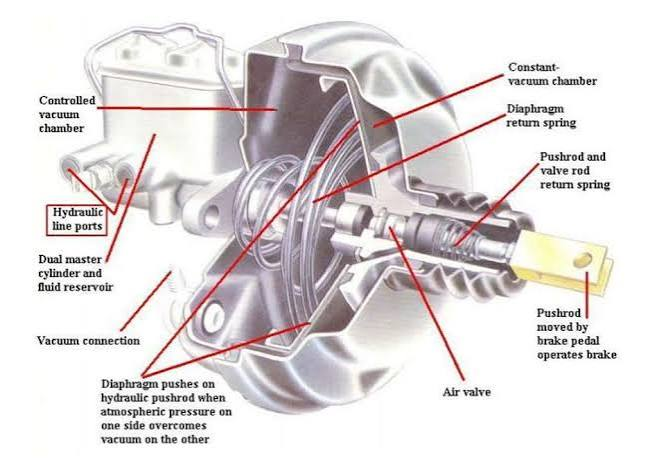
The vacuum booster diaphragm is one of the most important components in a vehicle’s braking system. Although it is hidden inside the brake booster, it plays a vacuum booster diaphragm critical role in ensuring smooth, responsive, and safe braking. Without a properly functioning vacuum booster diaphragm, drivers would need to apply significantly more force to the brake pedal, making driving more difficult and potentially dangerous.
Modern passenger vehicles rely on vacuum-assisted braking systems to reduce driver effort. The diaphragm creates a pressure difference inside the brake booster, multiplying the force applied to the brake pedal before it reaches the master cylinder. Because of its constant exposure to pressure changes, heat, and engine vibrations, the diaphragm can wear out over time.
This guide explains everything you need to know about the vacuum booster diaphragm, including how it works, the different types available, common signs of failure, replacement procedures, and maintenance tips.
What Is a Vacuum Booster Diaphragm?
A vacuum booster diaphragm is a flexible rubber or synthetic membrane located inside the brake booster assembly. Its primary purpose is to separate two chambers within the brake booster while allowing pressure differences to generate additional braking force.
When the engine is running, vacuum pressure is created in one chamber of the brake booster. As the driver presses the brake pedal, atmospheric pressure enters the opposite chamber. The pressure difference moves the diaphragm forward, helping push the master cylinder piston with much greater force than the driver’s foot alone could provide.
Without this diaphragm, vacuum-assisted braking would not function effectively.
How a Vacuum Booster Diaphragm Works
Understanding the operation of a vacuum booster diaphragm helps explain why it is so essential.
Engine Vacuum Creation
The engine creates vacuum pressure through the intake manifold or a dedicated vacuum pump.
Vacuum Storage
The brake booster stores this vacuum in both chambers while the brake pedal remains unpressed.
Brake Pedal Activation
When the brake pedal is pressed, a control valve allows atmospheric air into one side of the booster.
Pressure Difference
The pressure imbalance causes the vacuum booster diaphragm to move toward the vacuum chamber.
Force Multiplication
The diaphragm pushes a rod connected to the master cylinder, increasing braking force without requiring extra pedal effort.
Brake Release
When the pedal is released, vacuum pressure equalizes between both chambers, and the diaphragm returns to its original position.
This entire process occurs almost instantly every time the brakes are applied.
Main Components Connected to the Vacuum Booster Diaphragm
The vacuum booster diaphragm works alongside several important brake system components.
Brake Booster Housing
The metal housing protects the diaphragm and creates sealed vacuum chambers.
Master Cylinder
The diaphragm transfers force directly to the master cylinder piston.
Push Rod
This rod connects the brake pedal to the diaphragm assembly.
Vacuum Check Valve
The check valve maintains vacuum even when the engine is turned off temporarily.
Vacuum Hose
The hose carries vacuum pressure from the engine to the brake booster.
Each component contributes to smooth and reliable braking performance.
Types of Vacuum Booster Diaphragm
Different vehicles use different styles of vacuum booster diaphragm depending on braking requirements.
Single Diaphragm Brake Booster
This is the most common design found in compact cars and sedans.
Features include:
Simple construction
Lower manufacturing cost
Reliable everyday performance
Easy maintenance
Dual Diaphragm Brake Booster
Larger SUVs, pickup trucks, and commercial vehicles often use dual diaphragms.
Advantages include:
Greater braking assistance
Higher force multiplication
Better performance under heavy loads
Improved pedal feel
Heavy-Duty Diaphragm Systems
Commercial trucks may use reinforced diaphragms designed for continuous heavy braking.
These diaphragms offer:
Increased durability
Heat resistance
Longer service life
Higher pressure tolerance
Materials Used in Vacuum Booster Diaphragms
Manufacturers use specialized materials to maximize performance and longevity.
Common materials include:
Natural Rubber
Natural rubber provides excellent flexibility but may degrade more quickly under extreme temperatures.
EPDM Rubber
EPDM offers excellent resistance to weather, ozone, and moisture.
Nitrile Rubber (NBR)
Nitrile rubber performs well in environments where oil resistance is important.
Silicone Rubber
Premium brake boosters sometimes use silicone diaphragms because they remain flexible across a wide temperature range.
Common Signs of a Failing Vacuum Booster Diaphragm
A damaged vacuum booster diaphragm often produces noticeable warning signs.
Hard Brake Pedal
One of the most common symptoms is increased pedal resistance.
Hissing Sound
Air leaking through a torn diaphragm often creates a hissing noise while braking.
Reduced Braking Assistance
Drivers may notice they need much more force to stop the vehicle.
Engine Idle Problems
A leaking diaphragm can create a vacuum leak, causing rough idle or unstable engine performance.
Longer Stopping Distance
Reduced brake assist increases stopping distance, especially during emergency braking.
Brake Warning Symptoms
Some vehicles may illuminate brake-related warning indicators due to abnormal system operation.
Causes of Vacuum Booster Diaphragm Failure
Several factors contribute to diaphragm damage over time.
Age
Rubber naturally deteriorates after years of continuous use.
Heat Exposure
High engine temperatures gradually reduce diaphragm flexibility.
Vacuum Leaks
Constant leakage places additional stress on the diaphragm material.
Oil Contamination
Oil entering the brake booster can damage rubber components.
Poor Manufacturing Quality
Low-quality replacement parts often fail sooner than OEM-quality diaphragms.
Excessive Brake Usage
Frequent heavy braking accelerates wear on the internal components.
How to Replace a Vacuum Booster Diaphragm
Replacing a vacuum booster diaphragm generally requires removing the brake booster assembly.
Step 1: Disconnect the Battery
Always disconnect the battery before working on the brake system.
Step 2: Remove the Master Cylinder
Detach the master cylinder carefully without damaging the brake lines if possible.
Step 3: Disconnect Vacuum Hose
Remove the vacuum hose connected to the booster.
Step 4: Remove Brake Booster
Unbolt the brake booster from the firewall and disconnect the pedal linkage.
Step 5: Open the Booster Housing
Disassemble the housing carefully since some models use strong internal springs.
Step 6: Replace the Diaphragm
Install the new vacuum booster diaphragm, ensuring proper alignment and sealing.
Step 7: Reassemble
Reinstall all components in reverse order.
Step 8: Test the Braking System
Start the engine and confirm proper brake pedal feel before driving.
Because the brake booster contains safety-critical components, many vehicle owners choose professional installation.
Maintenance Tips for Longer Diaphragm Life
Proper maintenance can significantly extend the lifespan of the vacuum booster diaphragm.
Inspect Vacuum Hoses
Replace cracked or leaking hoses promptly.
Check the Vacuum Valve
Ensure the one-way check valve functions correctly.
Repair Engine Vacuum Leaks
Maintaining proper engine vacuum reduces unnecessary stress on the diaphragm.
Use Quality Replacement Parts
High-quality OEM or premium aftermarket components generally last longer.
Monitor Brake Performance
Address unusual pedal feel immediately before further damage occurs.
Schedule Routine Brake Inspections
Regular inspections help detect problems before complete failure develops.
Choosing the Right Vacuum Booster Diaphragm
When purchasing a replacement vacuum booster diaphragm, consider several factors.
Important considerations include:
Vehicle make and model compatibility
OEM specifications
Material quality
Heat resistance
Manufacturer reputation
Warranty coverage
Professional certification
Long-term durability
Selecting the correct part ensures proper brake performance and maximum safety.
Conclusion
The vacuum booster diaphragm is a small but essential component that has a major impact on braking performance. By using engine vacuum to multiply pedal force, it allows drivers to brake comfortably, safely, and efficiently under a wide range of driving conditions. Understanding how the vacuum booster diaphragm works, recognizing the early warning signs of failure, and replacing worn components with high-quality parts can help prevent costly repairs and improve overall vehicle safety. Whether you own a passenger car, SUV, or commercial vehicle, maintaining a healthy vacuum booster diaphragm is an important part of keeping your braking system reliable for years to come.